




District Heating and the Energy Transition
The energy transition requires reliable and affordable sustainable alternatives to natural gas. District heating networks make it possible to heat homes and buildings collectively using sustainable and often local heat sources. As such, they play a key role in decarbonising the built environment and keeping energy costs manageable in the Netherlands.
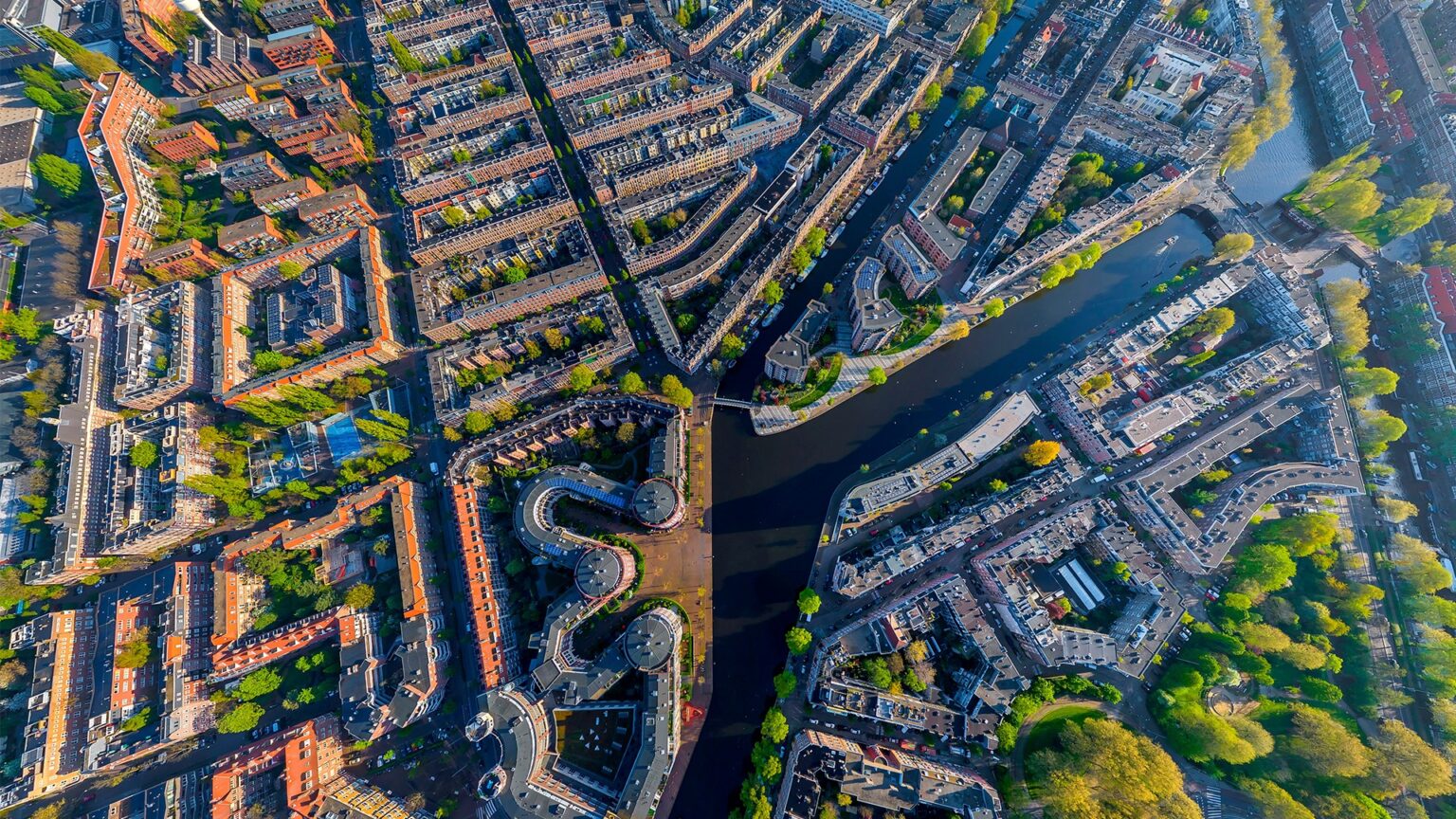
A significant share of energy demand in the Netherlands consists of heat. This heat demand makes the energy transition particularly challenging. For example, not every building is suitable for an individual heat pump. In addition, if everyone were to switch to electric heating, billions of euros in additional investments would be required to reinforce the electricity grid and prevent congestion. The availability of green gas is also limited. For these reasons, the rollout of district heating networks is an important way to help keep the energy transition affordable. Activities undertaken by the National Heat Investor (NDW), such as establishing new public heat companies, are intended to accelerate this rollout.

Use the form below to contact Mark Hooftman, Manager Strategy Heat (NDW).
"*" indicates required fields
District Heating and the Dutch Energy Transition
How does a district heating network work?
In a district heating system, heat from a centralised or decentralised source is supplied to a network. Hot water is transported through insulated pipes to a residential area or business district. In homes and buildings, a heat transfer unit replaces the central heating boiler or gas-fired water heater. Within the heat transfer unit, a heat exchanger transfers heat from the district heating network to the building’s internal heating system. The cooled water then returns to the source, where it is reheated and recirculated.District heating networks offer both advantages and disadvantages.
Why are heat networks important for the energy transition?
District heating networks are not a solution for every situation, but together with heat pumps and green gas they form an important part of the Netherlands’ sustainable heating mix. District heating is an important building block of the energy transition for several reasons:
- Efficiency and economies of scale: In densely populated areas, collective heating is often more efficient than individual solutions. District heating networks make optimal use of local heat sources and reduce the number of installations required in individual buildings.
- Reducing pressure on the electricity grid: The energy transition places increasing demands on the electricity system. District heating networks reduce the need for electric heating and help limit grid congestion. This also helps keep the overall energy transition more affordable.
- Suitable for Existing Buildings: A large proportion of Dutch homes were not built to current insulation standards, or do not have sufficient space for a heat pump. For many existing buildings, district heating is therefore a more practical option than fully electric alternatives.
In addition to these benefits, district heating networks support energy security and reduce geopolitical dependence by making use of local heat sources. The process of making heat demand more sustainable is also referred to as the heat transition.
Can district heating be used everywhere to replace natural gas?
District heating networks are not suitable everywhere, but together with heat pumps and green gas they form an important part of the overall sustainable heating solution for the Netherlands. Within the built environment, district heating networks are particularly well suited to urban areas with high-density housing, including apartment buildings. A suitable heat source must also be available near these neighbourhoods. In historic city centres, green gas may sometimes be a more appropriate solution than district heating.
The sustainability of a district heating network ultimately depends on the heat source or combination of heat sources that it uses. Existing district heating systems already deliver significant CO₂ reductions compared with conventional gas boilers. Replacing fossil-based heat sources with geothermal energy, aquathermal energy, or heat recovered from data centres can further improve their sustainability. New district heating networks are increasingly designed around fossil-free heat sources from the outset.
National Heat Investor (NDW)
The National Heat Investor (Nationale Deelneming Warmte, NDW) has been tasked by the Dutch government with supporting the establishment of public heat companies. In cooperation with regional and local authorities, NDW works to accelerate the rollout of district heating networks. During its start-up phase, this public policy participation, active since 2026, is housed within Energie Beheer Nederland (EBN). NDW is also the vehicle through which the Dutch government would like to procure the currently privately held district heating activities of Eneco, Ennatuurlijk and Vattenfall.