

Geothermal energy
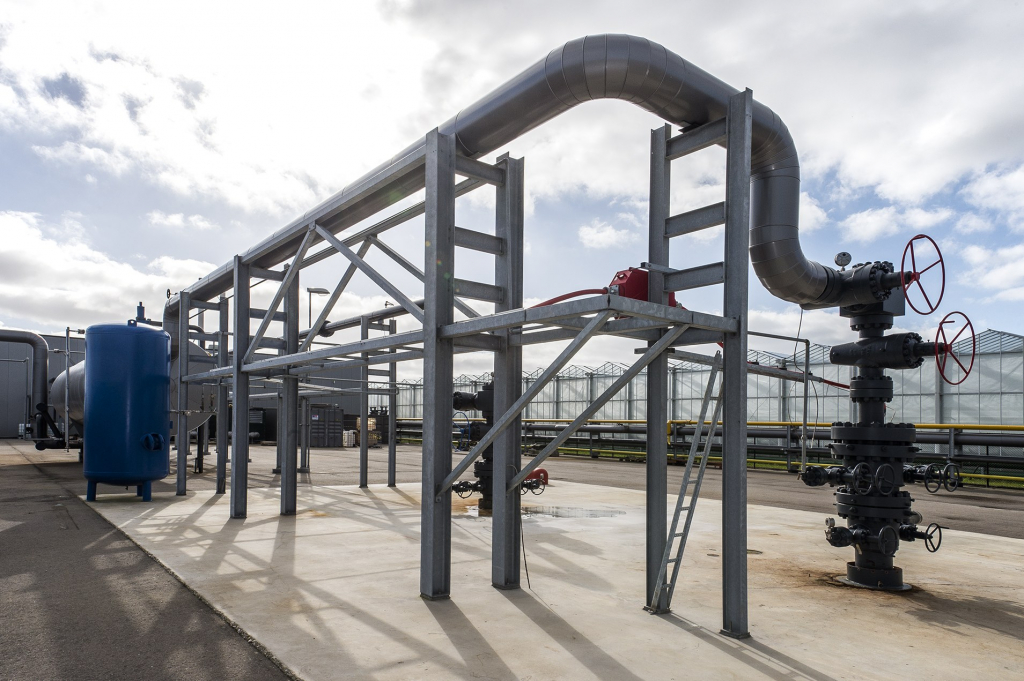
Geothermal energy is hot water from the deep subsurface. The deeper you drill, the higher the temperature. This hot water is used to heat homes, buildings and greenhouses. Energie Beheer Nederland (EBN) is helping to accelerate the development and deployment of geothermal energy in the Netherlands.
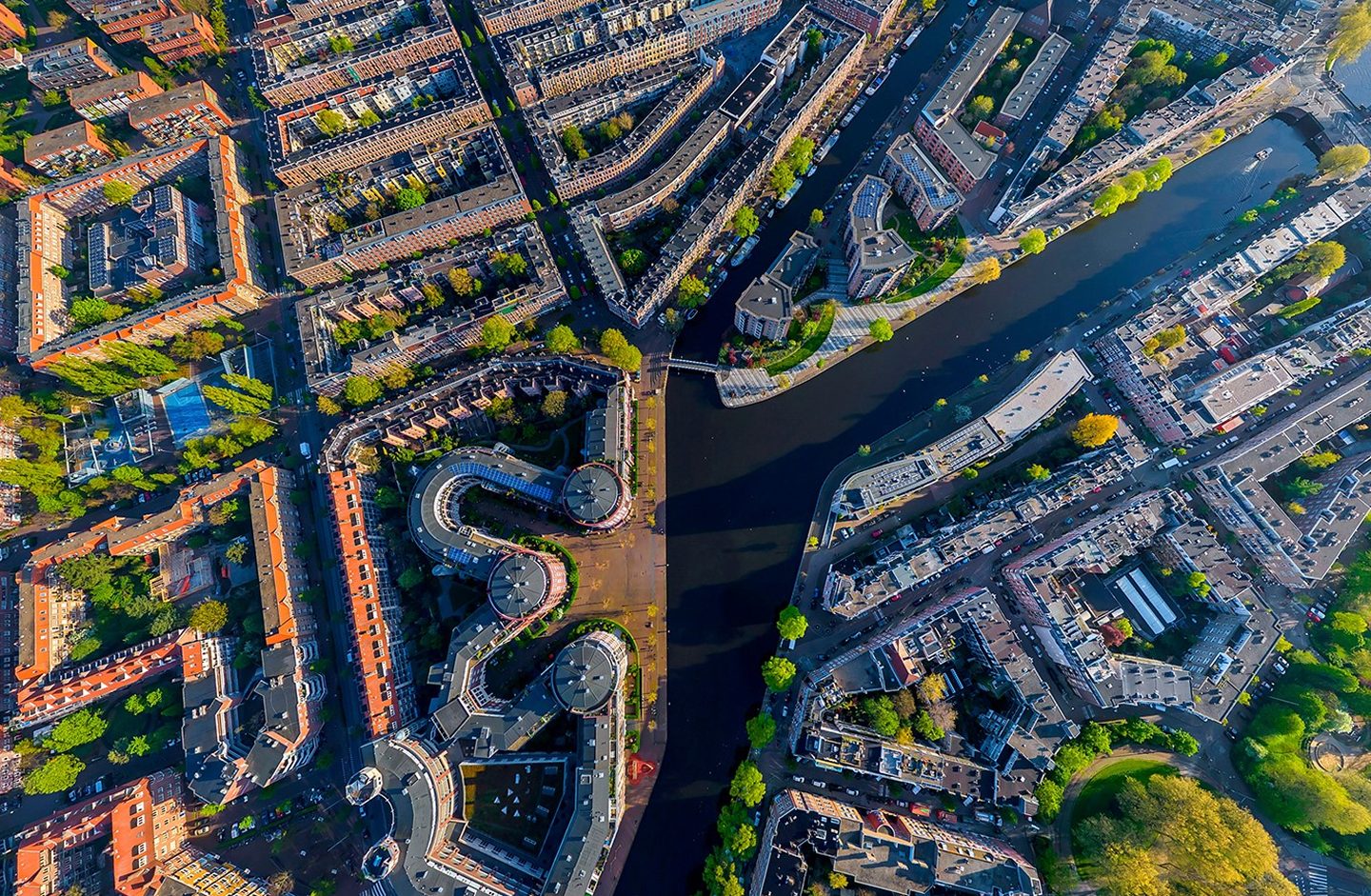
The use of geothermal energy offers several advantages. It is a sustainable source of energy. Another benefit is that geothermal energy does not depend on sun, wind or the seasons. Geothermal energy is low-carbon, because no combustion is required. As a local heat source, geothermal energy also makes the Netherlands less dependent on foreign gas. This benefits energy security. With all these advantages, geothermal energy plays an important role in the energy transition and in reducing the use of natural gas.

Use the form below to contact Michiel Houwing, Business Unit Director Geothermal Energy.
"*" indicates required fields
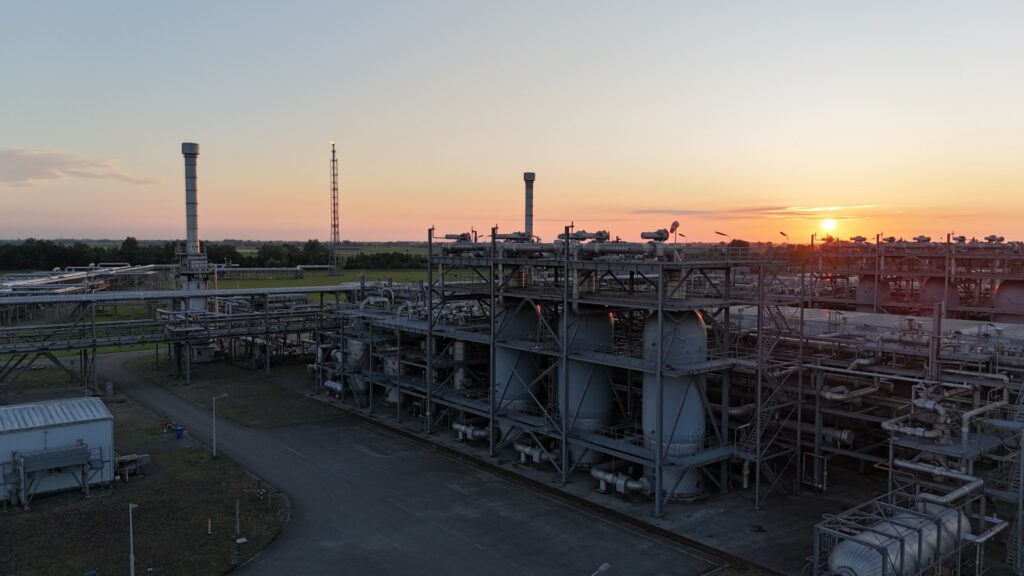
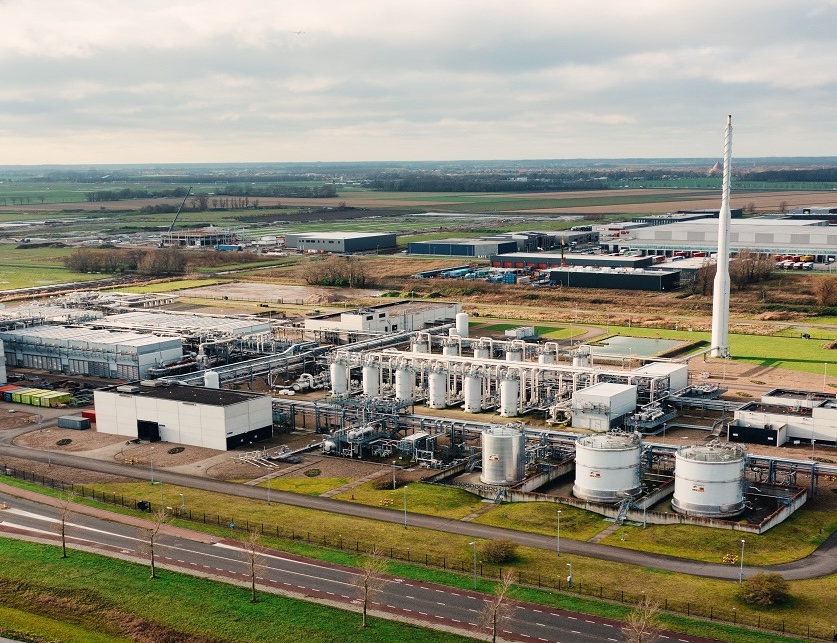
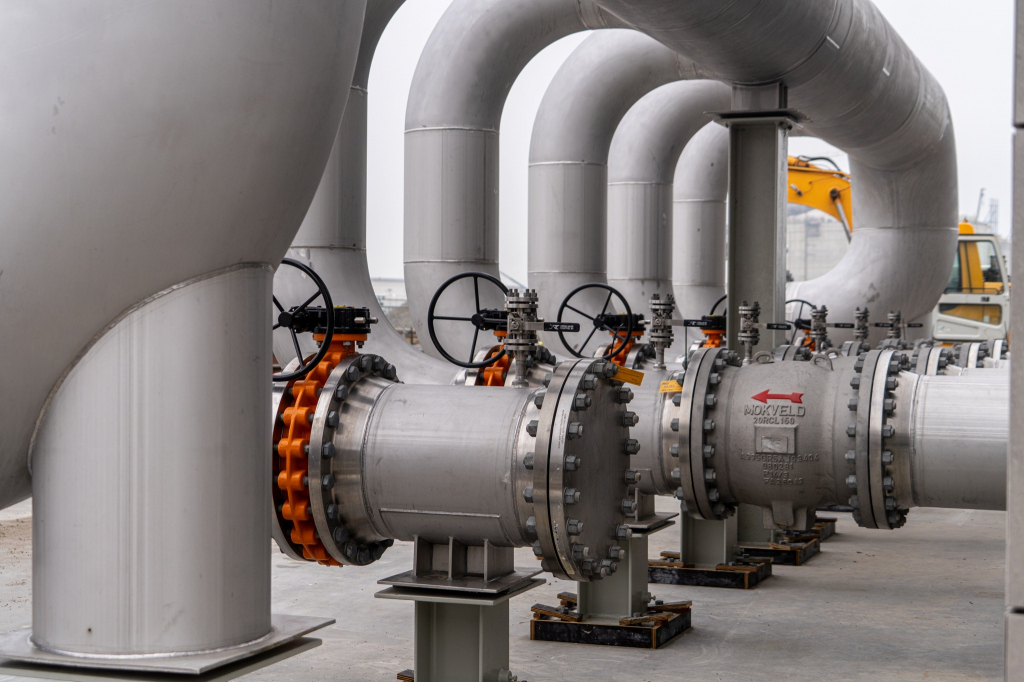
Why geothermal energy is important to the Netherlands
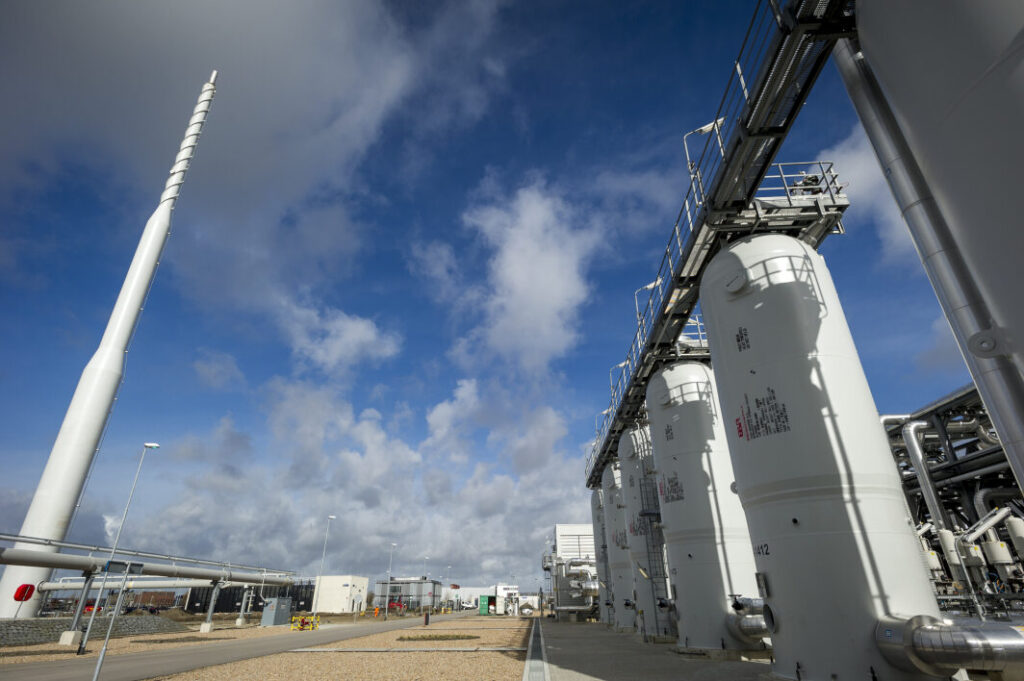
In the Netherlands, geothermal energy is particularly suitable for greenhouse horticulture and for large-scale district heating networks in the built environment. Geothermal energy can be used to provide sustainable heating for entire districts and sectors. This contributes to energy security and to making greenhouse horticulture, the built environment and, in time, possibly also industry more sustainable. Under the Dutch Mining Act only heat mined below a depth of 500 meters is considered to be geothermal energy.
EBN’s role in geothermal energy
EBN’s role is to strengthen and accelerate the Dutch geothermal energy sector by making knowledge available and sharing it. EBN does this through:
- Participating in geothermal projects with capital, knowledge and expertise (mandatory under the Mining Act since 2023)
- Actively sharing knowledge within and between projects, so that projects can learn from one another
- Mapping the subsurface through seismic survey campaigns and research drillings as part of the SCAN programme
- Sharing knowledge with local and regional authorities, knowledge institutions and regulators.
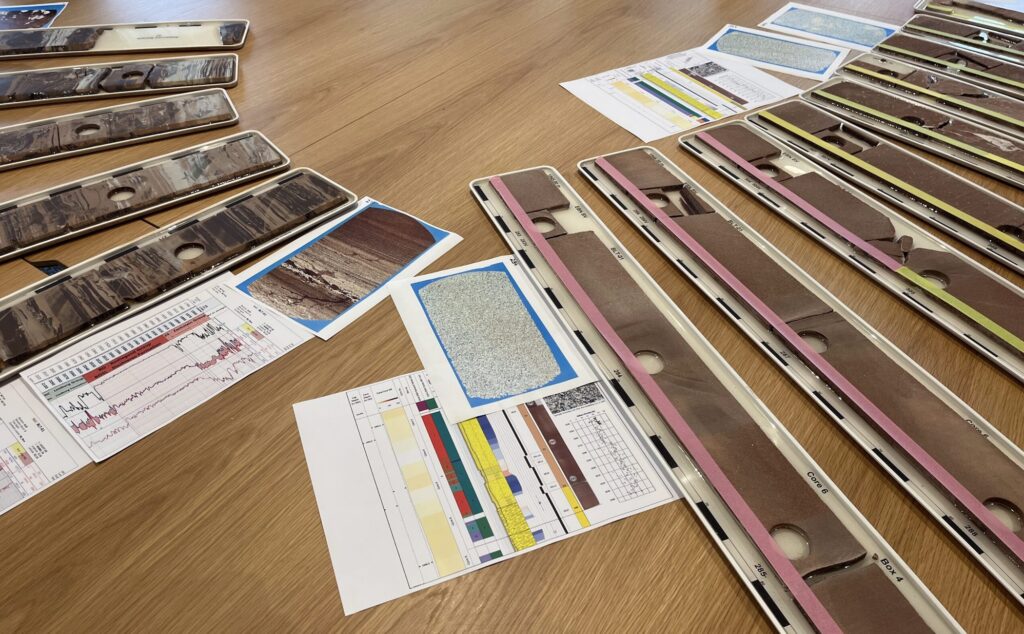
SCAN Programme
Through seismic surveys, exploratory drilling and the reprocessing of existing subsurface data, EBN, together with partners such as TNO, under the SCAN Programme is helping to close knowledge gaps about the geothermal potential of the Dutch deep subsurface.
Knowledge as the basis for successful projects
EBN’s Geothermal Knowledge Programme facilitates knowledge sharing within and between projects. This enables insights to be applied more quickly, helps identify shared knowledge needs, improves decision-making and reduces risks in projects. In this way, a continuous interaction between practice and knowledge is created, enabling geothermal energy as a sector in the Netherlands to professionalise more quickly.
Regional approach (REOS)
The potential for geothermal energy differs by region. That is why EBN works with the so-called Regional Exploration & Development Strategy . This approach examines the opportunities for geothermal energy offered by the local subsurface, the role of geothermal energy in the source strategies of municipalities and heat companies, and the connection between geothermal energy, greenhouse horticulture and heat networks.
EBN & Geothermal Energy