

What is energy storage?
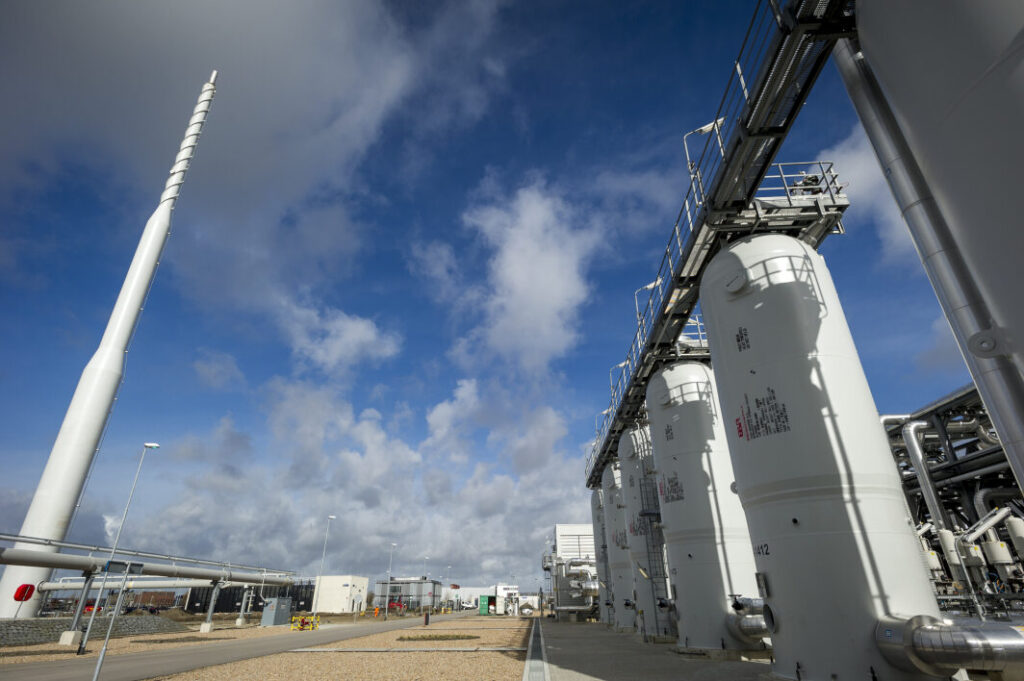
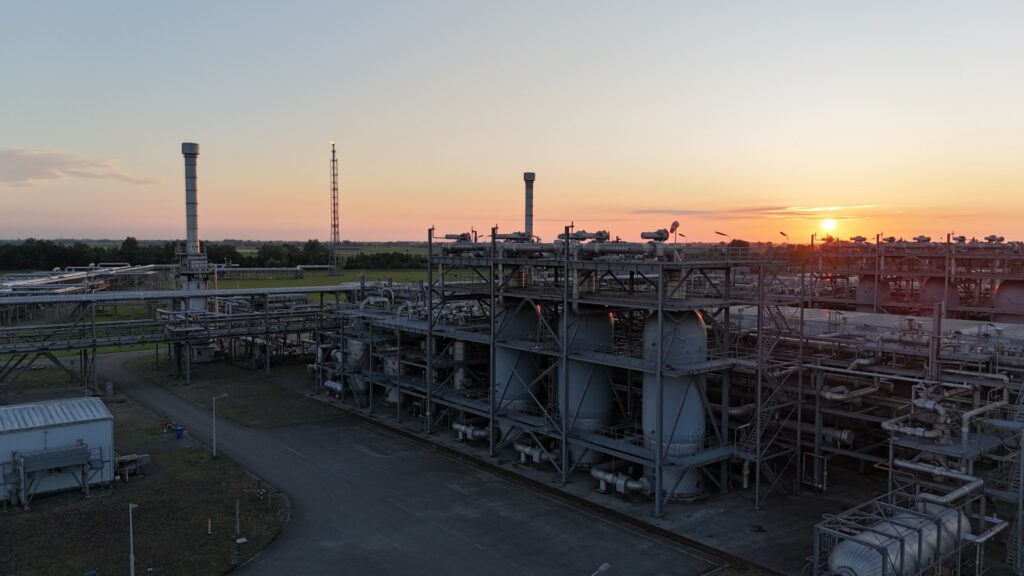
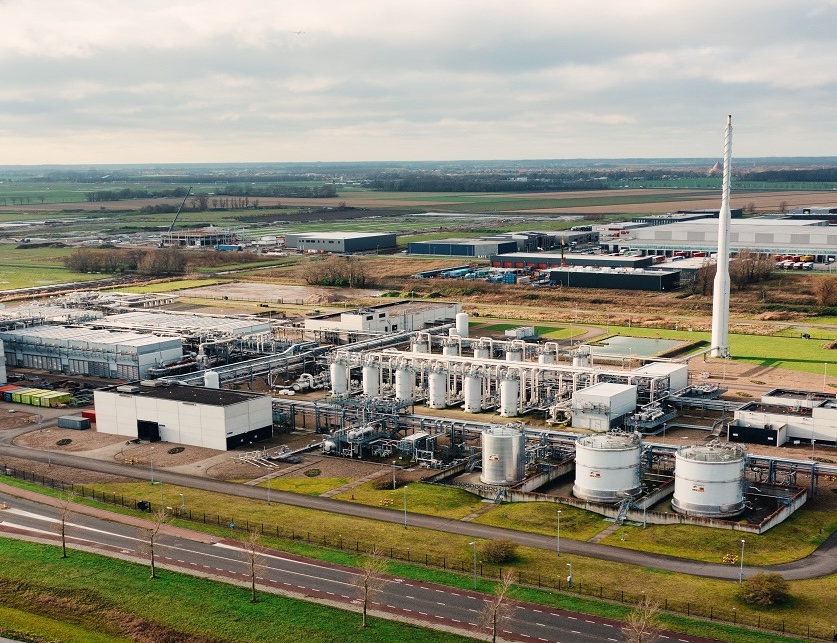
Energy storage helps balance fluctuations in energy supply and demand. Today, this primarily involves the seasonal storage of natural gas: gas is stored during the summer so it can be used during the winter months. In the future, the energy system will rely much more heavily on wind and solar power. By storing energy when there is an abundance of wind or sunshine, we can better meet energy demand during periods with little wind or solar generation.
In addition, EBN works with partners to explore new forms of energy storage, including the large-scale storage of hydrogen and hot water.
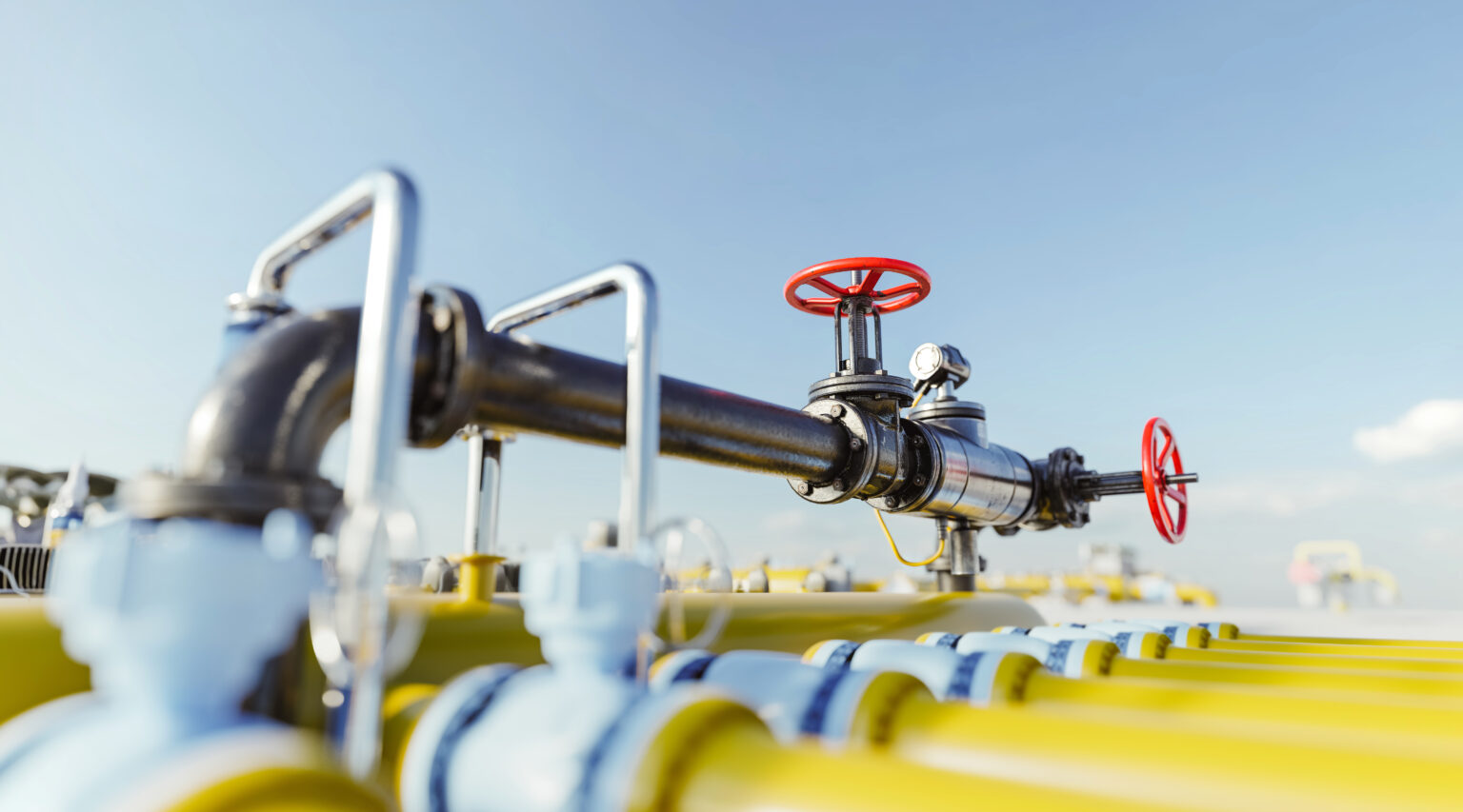
What Is the Role of Energy Storage in Energy Security?
Energy storage is essential for safeguarding energy security, both today and in the future. It enables us to meet energy demand during periods when energy supply is lower, for example when limited electricity is generated from solar and wind power.
Energy can also be stored as a strategic reserve, helping to ensure continued energy supply if imports or production are disrupted for any reason. In addition, when more electricity is generated than is needed, the surplus can be used to produce hydrogen. This hydrogen can then be used immediately or stored for future use.
What Is the Role of Energy Storage in the Energy Transition?
The role of energy storage in the transition to a sustainable energy system is becoming increasingly important. While the energy system currently relies heavily on natural gas as a large and flexible source of energy, the continued progress of the energy transition will lead to a greater dependence on renewable energy sources such as solar and wind power.
Energy generation from solar and wind varies from day to day and across seasons. In winter, in particular, there can be extended periods with limited sunshine and low wind speeds, while energy demand is often at its highest during these times.
Energy storage helps manage these fluctuations by providing a buffer between supply and demand, thereby supporting the reliability and resilience of the energy system. The same applies to high-temperature thermal energy storage, where surplus industrial waste heat or geothermal energy is stored during the summer and used during the winter when demand for heat increases.
Research into New Forms of Energy Storage
In the years ahead, our energy system will rely less on fossil fuels and increasingly on renewable energy sources. While natural gas is currently the primary form of large-scale energy storage, in the future we will also store hydrogen and hot water on a large scale.
In collaboration with national and international partners, EBN is exploring how these new forms of energy storage can be developed step by step. At the same time, EBN is actively contributing to bringing these solutions into practice.