




Advantages and disadvantages of natural gas
Natural gas is currently still an important pillar of the Dutch energy supply. It ensures that households and businesses always have access to energy, even when renewable sources such as solar and wind are less available. What are the advantages and disadvantages of natural gas?
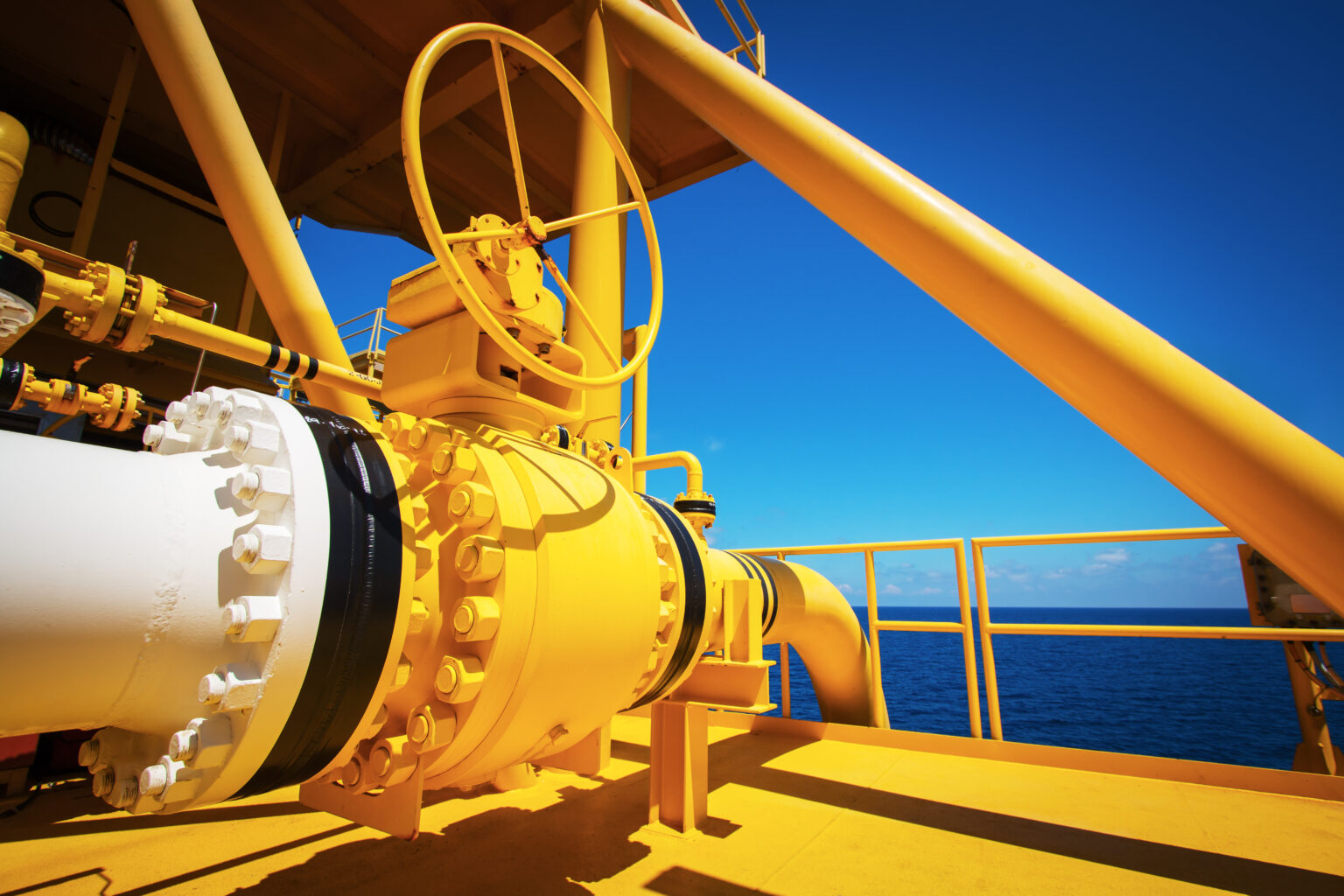
Our gas supply depends on domestic gas production, gas imports, and gas storage. This mix makes the energy system flexible and less vulnerable to disruptions. Natural gas is an important buffer, especially during cold winters or periods of geopolitical tension.
The advantages and disadvantages of natural gas highlighted below show that it plays a complex role in the energy system. On the one hand, it provides security and flexibility; on the other hand, there are clear drawbacks in terms of sustainability and dependency.

Use the form below to contact Nicolien Vrisou van Eck, Business Unit Director Gastransitie.
"*" indicates required fields
Advantages of natural gas
- Reliable energy source: Natural gas can be deployed effectively when demand is high. This helps absorb peaks in energy consumption and prevents shortages.
- Contribution to energy security in the Netherlands: Natural gas produced domestically reduces dependence on foreign countries. This directly contributes to security of gas supply in the Netherlands and makes the system more stable.
- Flexibility through gas storage: The Netherlands has gas storage facilities that can be used in the event of sudden demand (such as during cold winters) or market disruptions. This makes it possible to respond quickly and maintain energy supply levels.
- Existing infrastructure can be reused: The current gas infrastructure, such as pipelines and storage facilities, can be used in the future for sustainable alternatives such as hydrogen or biomethane. This makes the transition to a sustainable energy system more efficient.
- Dutch natural gas has relatively lower emissions: Natural gas produced locally in the Netherlands results in lower CO2 emissions across the value chain. This is because, among other things, less energy is required to process and transport the gas to our country.
Disadvantages of natural gas
- Fossil fuel with CO₂ emissions: Natural gas remains a fossil energy source and contributes to climate change. For a sustainable energy system, it is necessary to replace the use of natural gas with renewable energy sources as quickly as possible.
- Finite reserves and declining production: Natural gas production in the Netherlands is decreasing. This means that the country is becoming increasingly dependent on imports, which may have implications for energy security.
- Sensitivity to geopolitical developments: The international gas market can fluctuate due to political tensions and changes in supply and demand. This can lead to higher prices and uncertainty.
- Potential slowdown of the energy transition: Excessive dependence on natural gas may slow the development of sustainable alternatives. That is why it is important to continue investing in renewable energy at the same time.