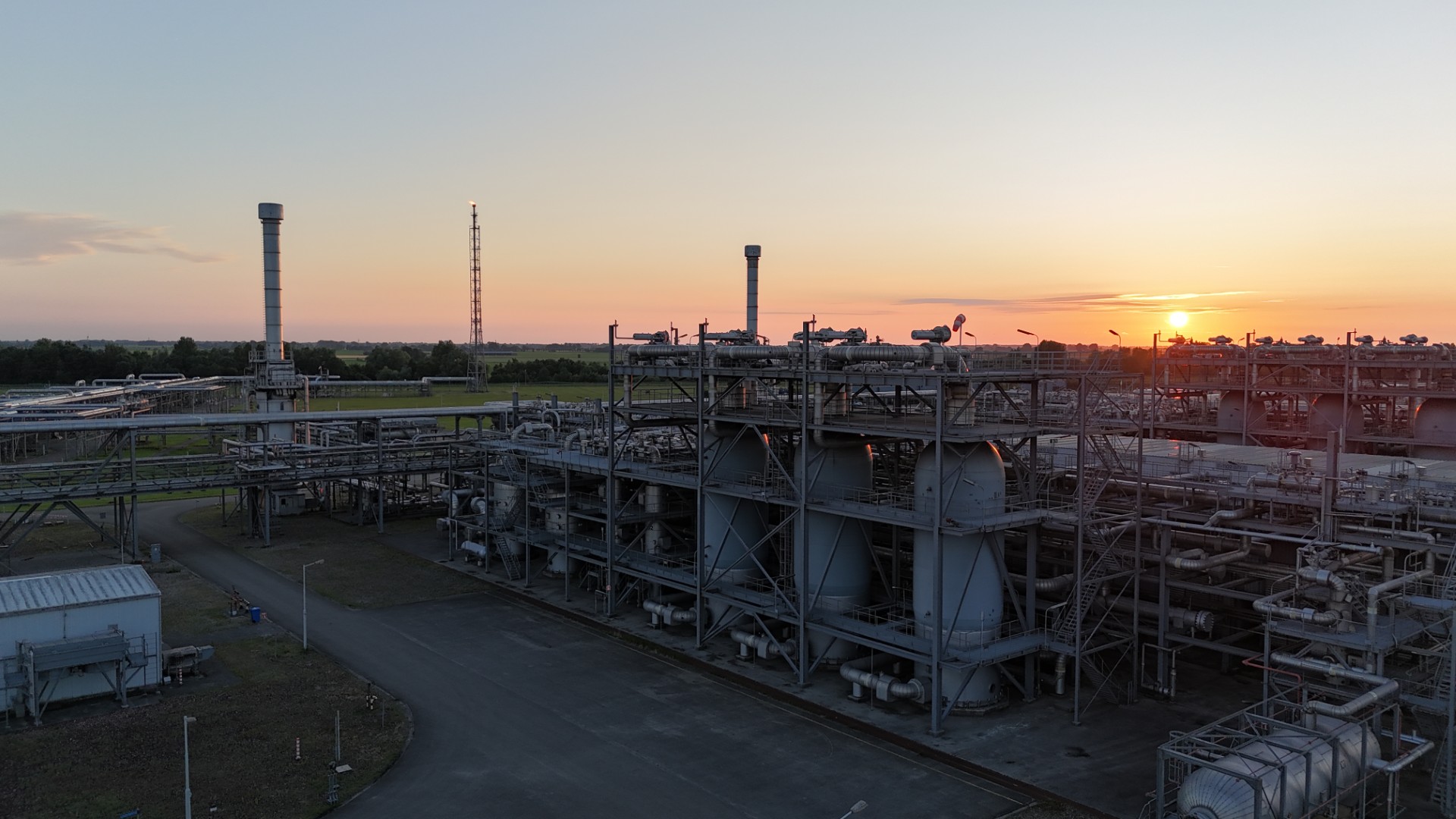


Nexstep’s activities to be integrated into EBN and Element NL
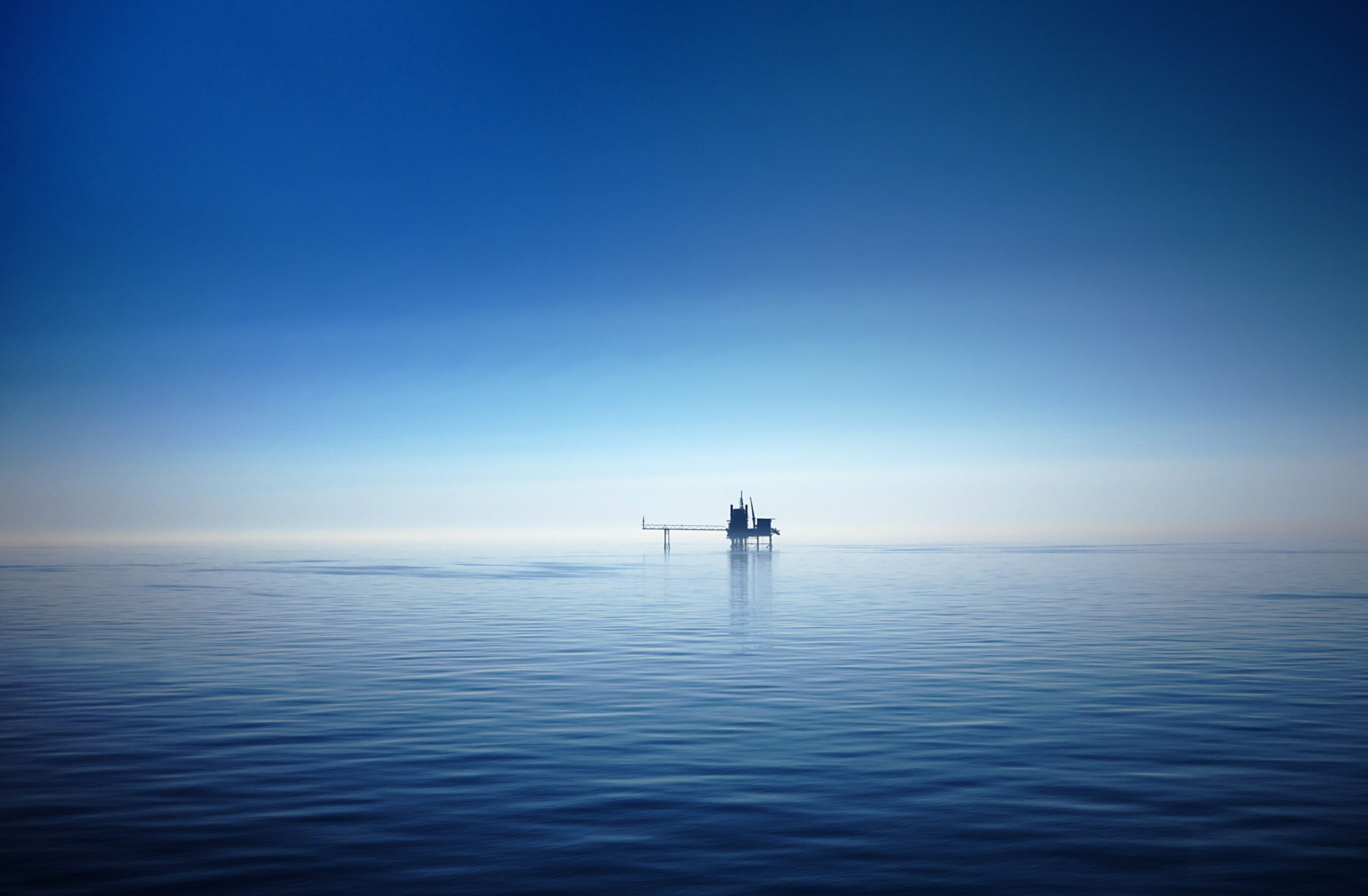
The activities related to the decommissioning and reuse of offshore oil and gas platforms and infrastructure will, after nine years, be transferred from Nexstep to Element NL and Energie Beheer Nederland (EBN). Nexstep was established in 2017 as a joint initiative of EBN and the Dutch oil and gas industry, represented by Element NL.
The organisation aimed to promote the reuse of infrastructure and collaboration in the decommissioning of oil and gas infrastructure in the Netherlands.
“Since its establishment in October 2017, this mission has been successfully delivered, and the knowledge and experience gained can now be deployed more efficiently by the original founding organisations,” says Nicolien Vrisou van Eck, Director of the Gas Transition Business Unit at EBN.
At the time Nexstep was founded, there was a clear challenge: to initiate and structure the decommissioning of oil and gas infrastructure in the North Sea and onshore. A dedicated organisation was needed to accelerate progress, consolidate knowledge and facilitate cooperation across the sector. That phase has now been completed.
Over recent years, Nexstep has made a substantial contribution to the sector, including coordinating a joint operator campaign to plug and abandon wells and establishing a national platform for knowledge sharing. The decommissioning challenge has matured considerably in recent years. Processes, standards and collaboration have become firmly embedded, and many activities are now organised internally through dedicated decommissioning companies. As a result, the need for a separate organisation has diminished.
This step contributes to a more efficient approach to infrastructure reuse and decommissioning, reducing fragmentation and strengthening alignment with broader energy policy objectives. By integrating these activities into Element NL and EBN, the work can be organised more effectively and connected more closely to wider energy and transition challenges, such as infrastructure reuse and CO2 storage.
Careful and timely decommissioning of oil and gas infrastructure is of significant public importance. It helps safeguard safety, prevents environmental damage and limits financial risks for society. At the same time, the way installations are decommissioned plays a crucial role in the energy transition. Existing infrastructure and depleted gas fields can fulfil an important role in the development of offshore CO2 storage beneath the North Sea.