




A sustainable heat transition
A warm home. Comfortable offices. Productive factories and greenhouses. Around 40% of all energy consumed in the Netherlands is used for heating buildings and industrial processes. That is a significant share and therefore a major opportunity to accelerate the energy transition. By making our heat supply more sustainable through local heat sources and collective heat networks, we can also take an important step towards greater security of supply and energy independence.
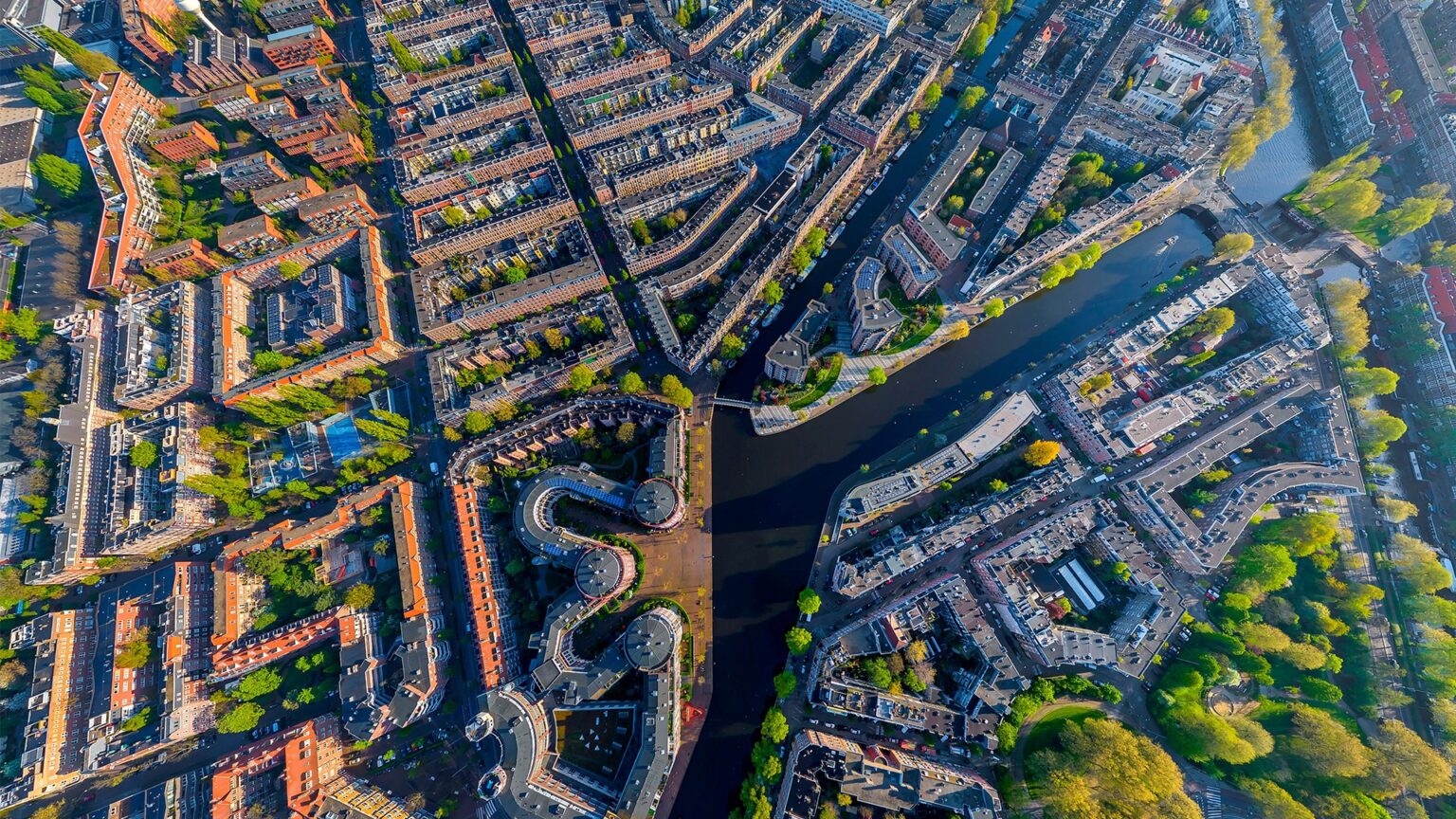
This transition is not without its challenges. More than today’s natural gas-based heating system, a sustainable heat system requires careful alignment between heat demand and the supply of heat from sustainable, local sources. In our view, sustainable district heating networks are an essential building block of a well-functioning energy system and can help alleviate challenges such as grid congestion. As the public energy company of and for the Netherlands, Energie Beheer Nederland (EBN) can and wants to make a difference in developing a sustainable heat system, together with public partners such as municipalities, provinces and network operators.
Over the past fifty years, EBN has built extensive expertise in the Dutch subsurface. We now share that knowledge to strengthen the heat sector, because the heat transition in the built environment needs to accelerate. Publicly owned district heating networks have the potential to restore trust in heat providers while enabling sustainable and reliable heat supply at reasonable rates.
To accelerate the rollout of heating networks, EBN works with municipalities, provinces and network operators to establish new public heat companies. To support this effort, Nationale Deelneming Warmte (NDW) has been placed within EBN. In the future, NDW may also play a role in the partial acquisition of the Netherlands’ three largest heat companies.
Geothermal energy is an indispensable element of the sustainable heat transition. This local energy source, already widely used in greenhouse horticulture, is also suitable for heating homes and buildings. That is why EBN actively supports the development of geothermal energy projects connected to district heating networks.
We do more than share knowledge. On behalf of the Ministry of Climate and Green Growth, EBN also participates as a risk-bearing investor in a growing number of geothermal projects. Since the second half of 2023, this participation has been required by law. By 2030, we expect to be involved in at least fifty geothermal projects, providing sustainable geothermal heat to the equivalent of more than 500,000 homes annually. If the Collective Heat Act is adopted, EBN also expects to participate in local and regional public heat companies from 2026 onwards.
Together with our partners, we conduct research in areas with significant heat demand but limited subsurface knowledge. This helps us better understand the potential of geothermal energy and increases the likelihood of successful project development. A strong example is the SCAN research programme, which provides valuable insights into geothermal opportunities across the Netherlands. We also work with an increasing number of public partners, including municipalities, provinces and network operators, to explore the creation of public local and regional heat companies.
In addition, we are investigating the potential of temporary underground high-temperature heat storage. By storing heat for later use, for example during colder periods when demand increases, we can improve security of supply and make more efficient use of geothermal resources.
Thanks to our portfolio approach to investments in both geothermal projects and public heat companies, EBN has a strong overview of developments across the country. This enables us to share successful examples and valuable lessons with stakeholders throughout the sector. As a result, new insights emerge in areas such as technology, financing, planning and standardisation. These insights improve project quality and help reduce the costs of local heat value chains, ultimately benefiting end users connected to collective heating systems. Keeping energy bills affordable for Dutch households remains essential.
EBN has extensive experience in public-private collaboration. We act as a connector and accelerator, and where necessary, as a coordinator. By bringing together the right public and commercial partners, we help maintain momentum in the heat transition.
As the public energy company of and for the Netherlands, EBN is committed to contributing knowledge, expertise and investment capacity to a sustainable heat transition. Together with all stakeholders, we aim to ensure that sustainable heat remains reliable, safe and affordable, both now and in the future.